
The Golden Globe Race leaves Les Sables on Sunday
The retro single-handed circumnavigation starts 6 September at 14:30 — no satellites, no GPS, paper charts — with the farewell fortnight already drawing the crowds to Port Olona.
The retro single-handed circumnavigation starts 6 September at 14:30 — no satellites, no GPS, paper charts — with the farewell fortnight already drawing the crowds to Port Olona.
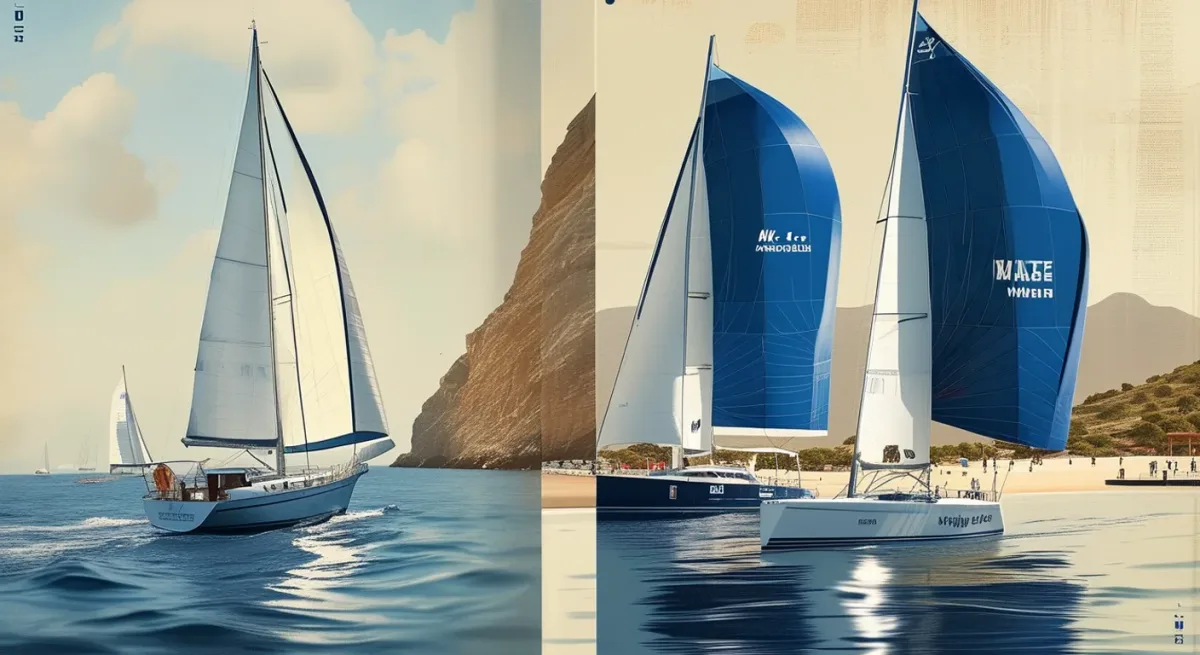
Every autumn the town fills with a century of sailing history — gaff rigs and grand-prix machines racing the same gulf — and the spectator programme is simply: be there, walk the quay, watch the light.

Gimballed stove, one-pot logic, and a fridge that holds exactly what the week needs — the kitchen that feeds the boat runs on physics the guests never see.
Two seasons, two winds, two price curves — and a third option in the shoulder months that the smart money quietly books instead.
A hundred and eighty kilometres of orchard-covered cliffs, waterfalls you can walk behind, and water deep enough to make anchoring a navigation exercise — the fjord cruise is the anti-Mediterranean, and it is magnificent.
The 44th edition's final races and prize-giving conclude today, 8 August — a week later than the recent pattern, and against the fullest fortnight of the Mallorcan summer.
Watch the fleet from a bay, berth in the racing port for the night it matters, and be somewhere empty when everyone else is somewhere full — the spectator's art, chartered.
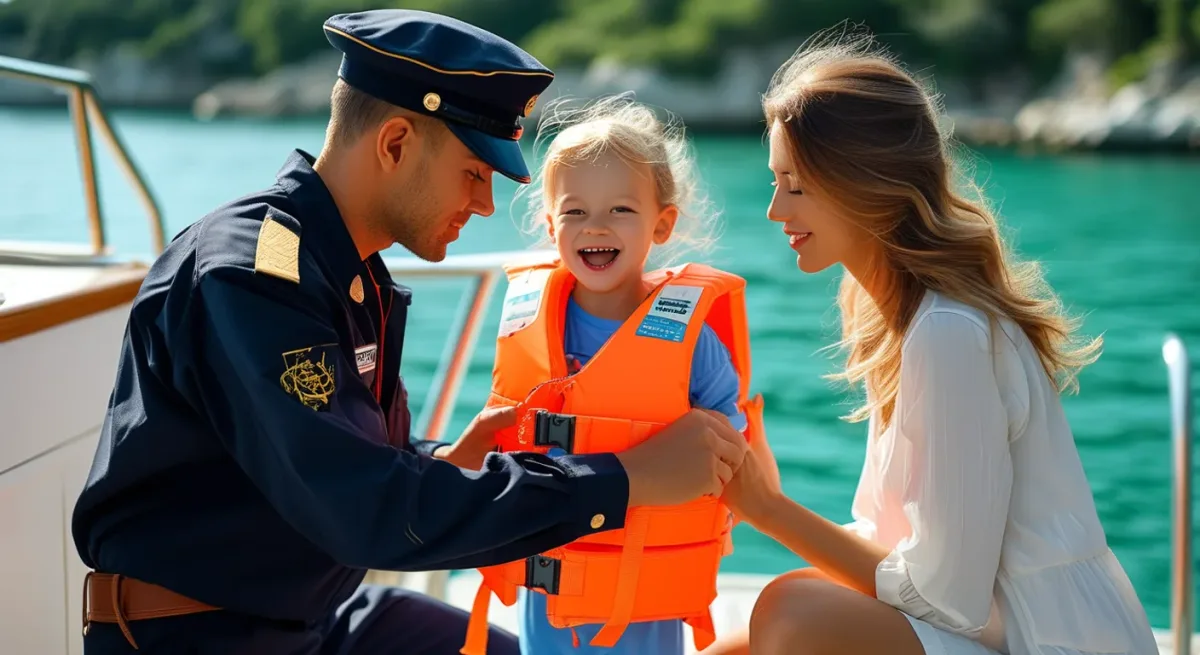
The right boat, the honest swim rules, and the invention of the anchor-day siesta — a crewed week with kids is the best family holiday going, planned on four decisions.
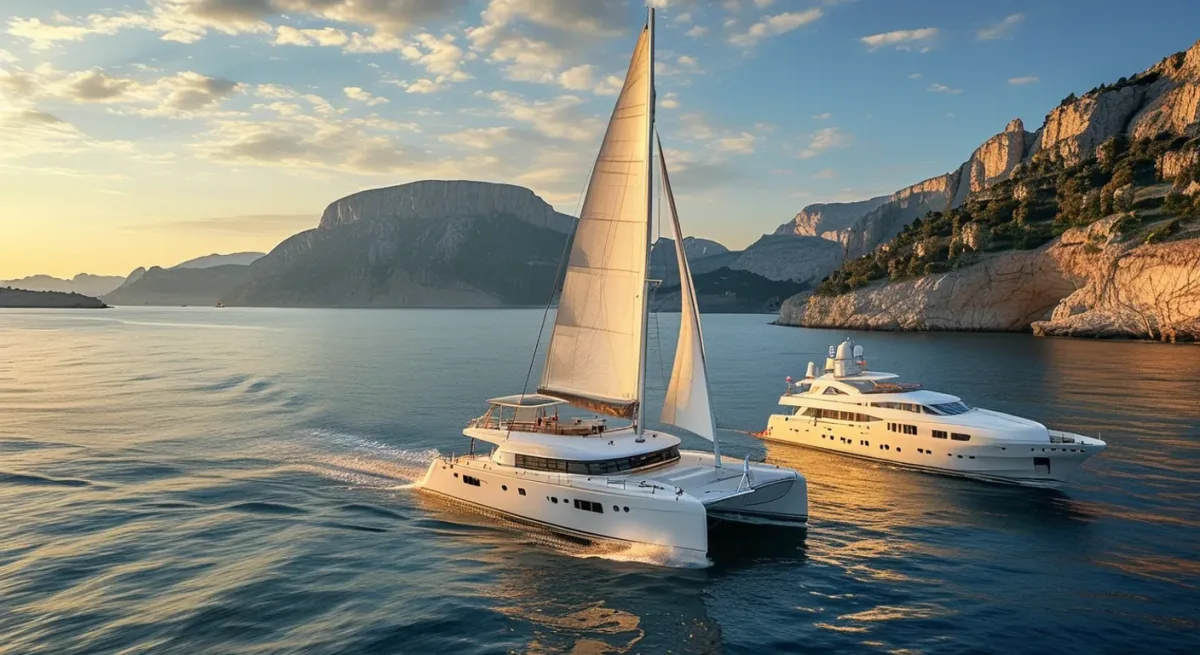
The choice isn't romance versus speed — it's how many miles, how much fuel, and what the weather is allowed to decide.

Two pages of questions sent a month before boarding — and the single highest-leverage half hour of the entire charter.
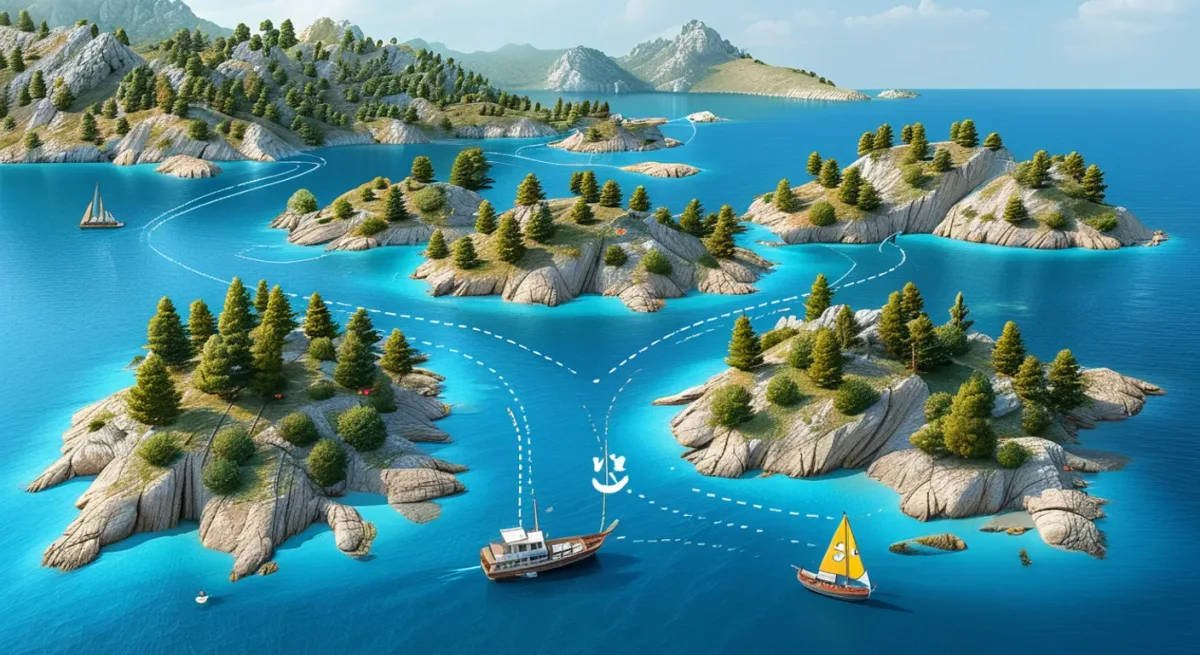
A wooden motorsailer, a crew of three to five, full board, and pine-covered bays an hour apart — the Turkish blue cruise is the Mediterranean's best-value week afloat, if you know what you're booking.

Why the boat leaves at ten to arrive at eight, what the red lights mean, and how to be the passenger crews are glad to have on a midnight watch.
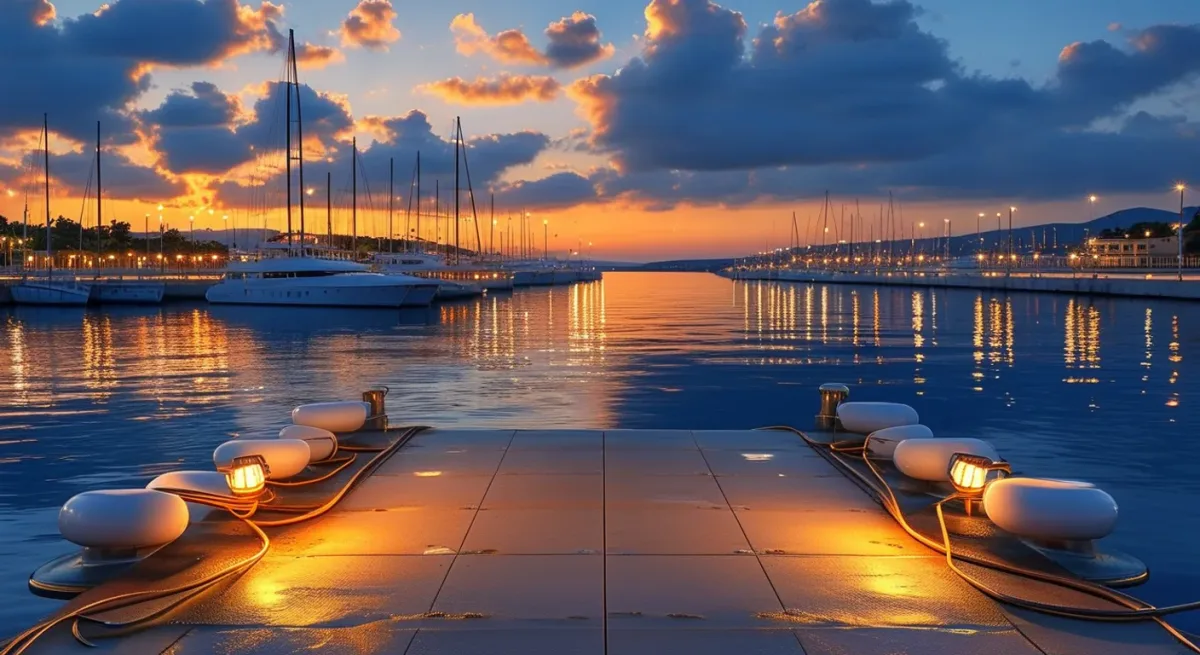
The rules of the wall are short, physical and mostly unwritten — and following them is the difference between being the yacht people wave at and the one they WhatsApp about.

Coffee by eight, swimming before it's hot, lunch long, the afternoon's quiet hours observed by everyone including the boat — how a good anchorage day actually runs.
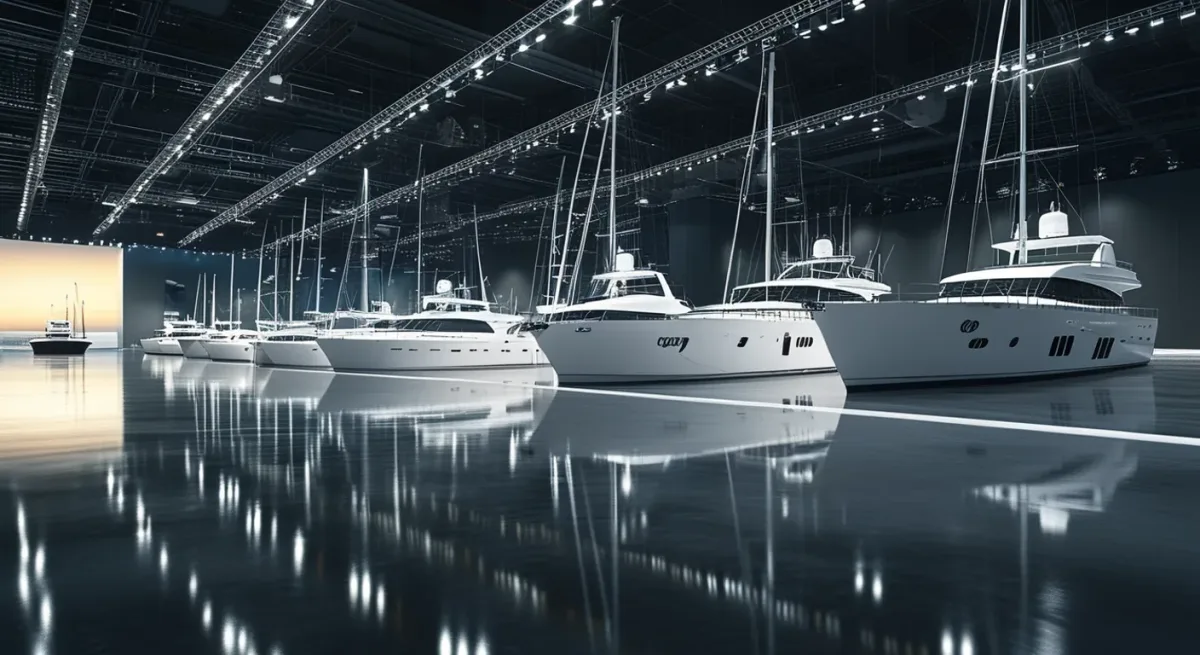
January indoors in Düsseldorf, February sprawl in Miami, March docks in Palm Beach, autumn's Monaco finale — the calendar's five big stops, matched to what each visitor is actually shopping for.
Four days in late September, Port Hercule filled with the year's superyacht output — the show that rewards the visitor who arrives with appointments, insoles and a hotel booked months ago.
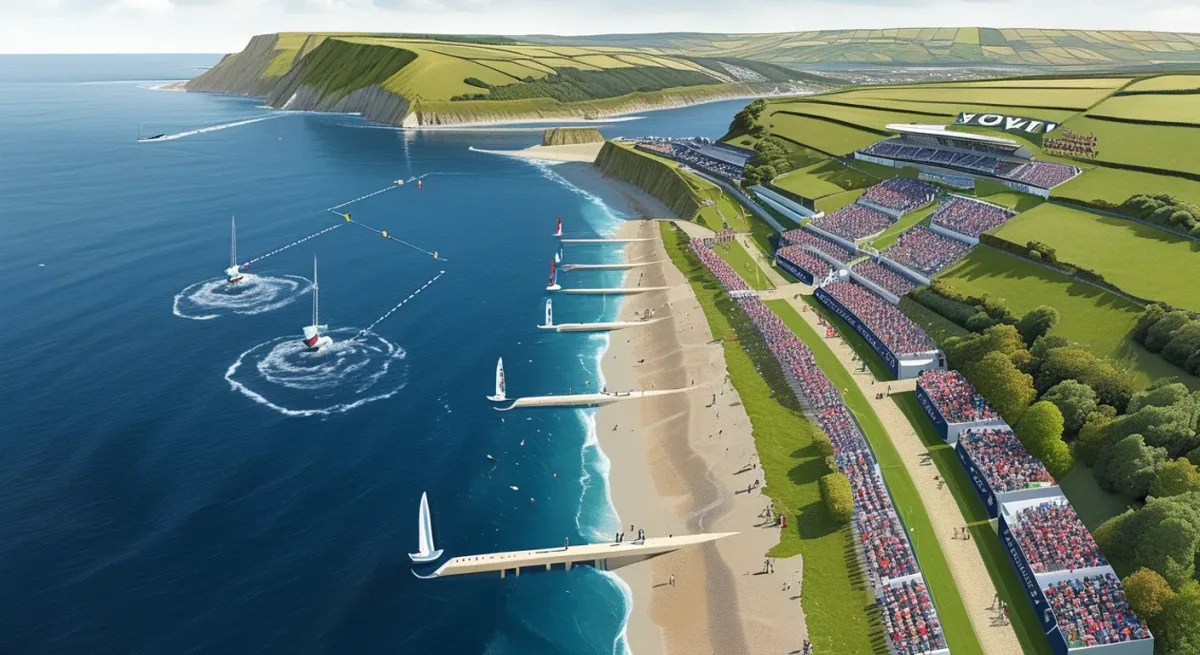
Nine days, several hundred boats, one narrow strait with tide enough to float a grudge — the world's longest-running regatta is also its most watchable from dry land.
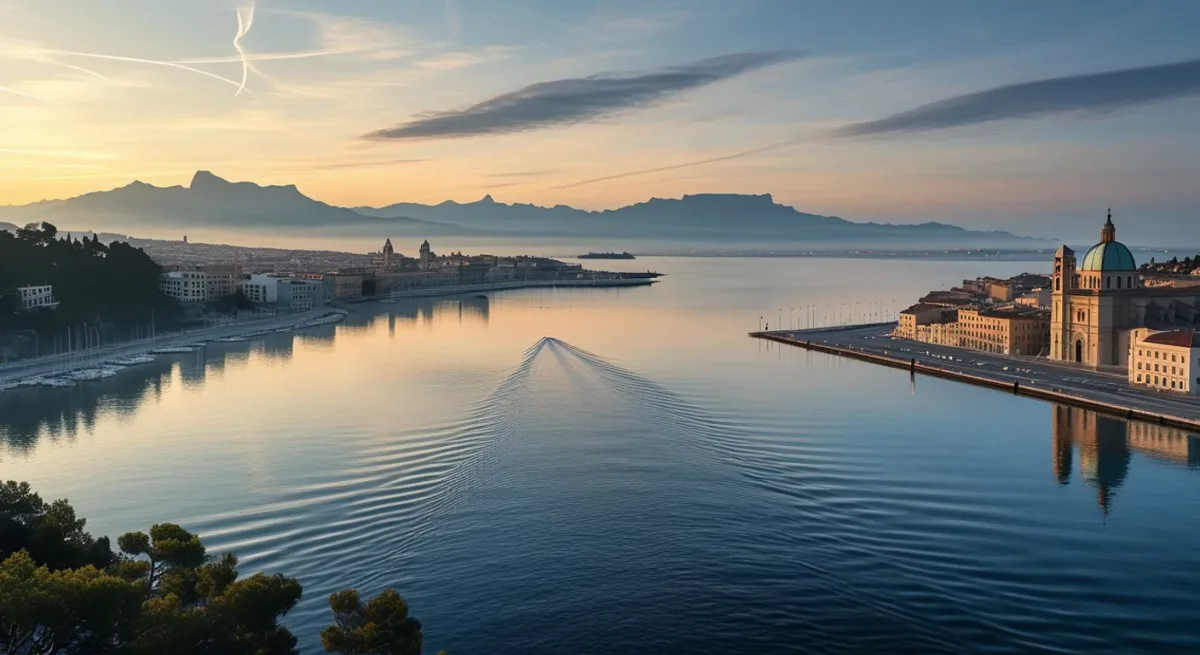
The 44th edition of the Bay of Palma's summer classic runs 1-8 August, per the published notice of race — a hundred-plus boats and the season's biggest shore operation.

The 17 June start sent the fleet east from Saint-Tropez around the Giraglia rock toward Genoa — with prize-giving Saturday closing the organisers' published programme.
The Mediterranean season's opening fortnight is now set in published programmes: the Giraglia's inshore week and offshore race mid-June, Palma's anniversary cup at the month's end.