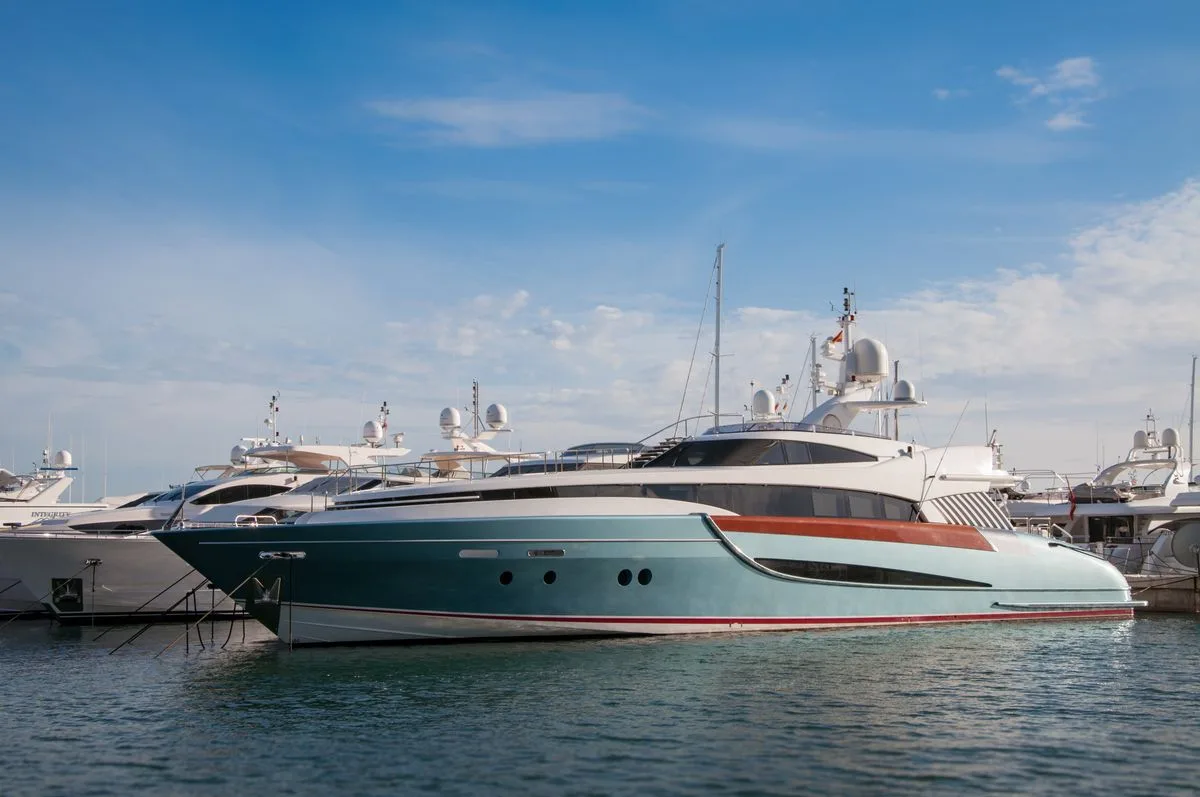
Every yacht carries a flag at the stern, and it is more than decoration. The flag names the country whose laws the vessel lives under. It shapes how the boat is inspected, certified and taxed. Guests rarely think about registration, yet it quietly affects the safety standards on every charter.
This guide explains what a flag state is, why owners choose the flags they choose, and what the paperwork means for the people on the sundeck.
What a Flag State Is
The flag state of a vessel is the jurisdiction under whose laws it is registered or licensed. That jurisdiction is deemed the nationality of the vessel. A vessel must be registered, and it can only be registered in one jurisdiction at a time. It may, however, change the jurisdiction in which it is registered. The flag state has the authority and the responsibility to enforce rules over the ships on its register. Those duties include inspection, certification, and the issuance of safety and pollution-prevention documents.
Because a ship operates under the laws of its flag state, those laws apply if the ship is involved in an admiralty case. The flag also normally decides which taxing jurisdiction applies.
What the Flag State Is Responsible For
Flag states carry real obligations. Under the United Nations Convention on the Law of the Sea, they must ensure that their ships comply with international rules on safety, navigation and crewing. Many of those rules come from the International Maritime Organization. There are special provisions for the marine environment, including duties tied to international anti-pollution standards. We covered a connected angle in How superyachts are built, from the first steel cut to sea trials.
These duties are not empty words. A flag state that fails them can lose its say over its own ships. That can hold even for violations on the high seas.
Each flag state runs its own control system to meet those duties. In the United Kingdom, the Maritime and Coastguard Agency is responsible for flag state control. In the United States, the Coast Guard inspects American-flagged vessels around the world.
Why Owners Change Flags
Registration is a business decision as much as a legal one. Since 1921, all states, including landlocked countries, have been able to keep a ship register. Many registers are open to ships with foreign owners. Some territories run their own registers, and the Isle of Man holds a notably significant one. A few countries also keep special international registers to compete for foreign tonnage.
The term flag of convenience describes registering a ship in a state other than that of the owner. Owners do it to cut operating costs or to avoid stricter rules. Scale puts the market in perspective. As of May 2025, the largest registry in the world was Liberia, with 5052 ships on its flag state register. Weak oversight can follow weak registries, so many countries have inspected visiting foreign ships through port state controls since 1982.
Why It Matters to Guests
A yacht's flag tells you who audits the boat. It sets the inspection regime and the safety documentation kept aboard. It also shapes the certification of the crew. A reputable flag state requires surveys and renewals on a schedule. That is one of the quiet reasons a well-flagged charter tends to run smoothly. Readers following this should also see What a weekly real estate transactions list actually tells you.
The flag can also shape where a yacht may legally operate. Owners weigh all of this long before a guest ever steps aboard.
Conclusion: Read the Flag, Trust the Paperwork
The flag on the transom is the short version of a long story. It says where the yacht is registered, which laws govern it, and who checks that it is safe. Guests do not need to study maritime law. It is enough to know that the paperwork behind the flag exists to keep the vessel, the crew and everyone aboard accounted for. A serious owner treats it that way.