A first crewed charter in the Mediterranean works best when you pick one cruising ground, book inside the right season for it, and budget for the extras on top of the weekly rate. The sea stretches roughly 2,500 miles from Gibraltar to the coast of southern Turkey, so no single week covers it. The catch for first-timers: the advertised rate is only the start, and the honest total runs higher once fuel, food and berths are counted.
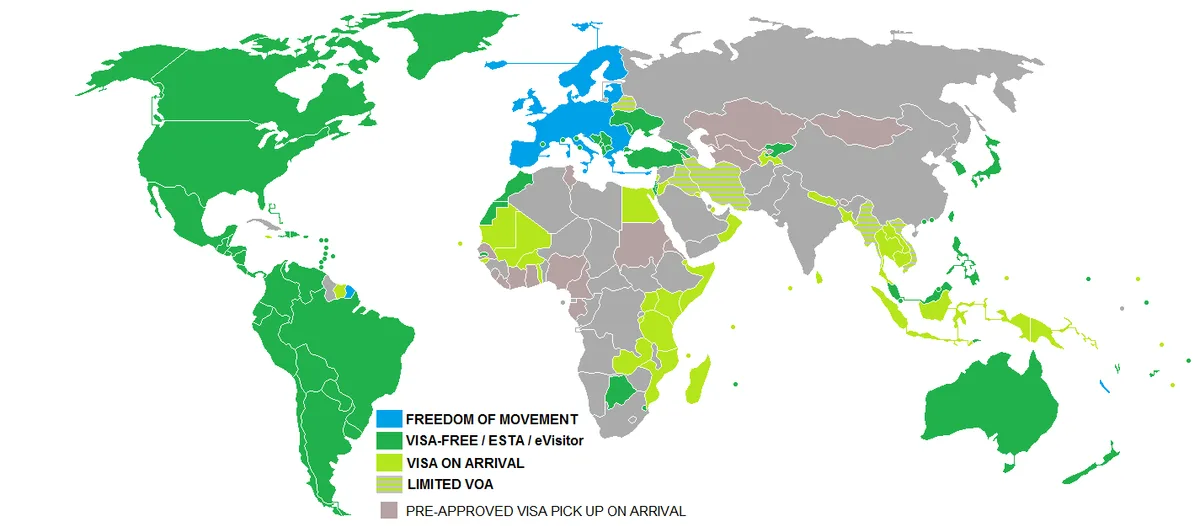
This guide walks through the decisions in the order you will face them: where to go, when, what kind of boat, who does the paperwork, and what the week actually costs. It is a sourced roundup, not a trip report — the arithmetic comes from how the charter trade works, and the geography from the maps below.
Where should a first charter go?
The Mediterranean touches 22 countries, and each stretch of coast sails differently. WorldAtlas lists the European coast running west to east from Spain through France, Monaco, Italy, Malta, Slovenia, Croatia, Bosnia and Herzegovina, Montenegro, Albania and Greece, with Turkey and Cyprus on the Asian side. That west-to-east line is a useful way to think about routes, because distances and sailing conditions change as you move along it.
For a first week, three grounds keep coming up for good reasons. The western Med — the Balearics off Spain, or the French and Italian Riviera — offers short hops and marina-heavy nights, easy if your crew is mixed. Croatia and Montenegro give calm water, close islands and quiet bays. Greece spreads further apart, with longer passages and more wind, better for a second week than a first. Turkey's southern coast, run as a crewed gulet week, removes most of the navigation decisions entirely; our gulet week in Turkey explainer covers how that works.
Who should skip the famous names? If your week is short and your crew includes children, the crowded anchorages of the Riviera in peak August will test everyone. Our guide to chartering with children suggests grounds where the swim stop matters more than the scene.
When is the right time to book?
The Mediterranean sailing season runs broadly from late spring to early autumn, with July and August the busiest and most expensive months. The trade-off is simple: high summer brings reliable heat and full services, but packed harbours and peak rates. June and September are the months experienced charterers aim for — warm water, lighter traffic, and crews who are less stretched.
Book early either way. The best boats and crews in each ground are contracted months ahead, and the choice of itinerary narrows as the calendar fills. If your dates are fixed by school holidays, accept the crowds and choose a ground that absorbs them; if your dates are flexible, let the season choose the ground. Our honest calendar piece sets out how the Mediterranean summer sits against the Caribbean winter season. This connects to our earlier piece, Christmas in the Caribbean or summer in the Med: the honest calendar.
Crewed or bareboat — and who holds the licence?
The first structural decision is whether you sail the boat or someone else does. A crewed charter puts a captain, and usually a chef, aboard; a bareboat charter puts you in charge, which means someone in your group must hold recognised sailing qualifications and the charter company must accept them. The maths between the two is laid out plainly in our bareboat versus crewed comparison.
For a first Mediterranean week, most readers should lean crewed. A local captain knows which bay is sheltered when the wind turns, which quay takes reservations and which takes cash, and where the fuel dock actually is. That knowledge is worth more in an unfamiliar sea than on a home coastline. If you are unsure what the broker adds to this process, our explainer on what a charter broker actually does covers the role — and why the commission structure usually costs the charterer nothing directly.
What does the week really cost?
Charter pricing has two layers. The first is the weekly rate for the boat and crew. The second is the Advance Provisioning Allowance, or APA — a fund paid on top of the rate that covers fuel, food, drinks, marina fees and anything else the week consumes. The crew accounts against it as they go; anything unspent comes back to you, and anything over runs to a top-up. Our APA explainer walks through the mechanics, and our cost breakdown of what a crewed charter week actually costs shows how the layers stack.
Beyond the APA, expect crew gratuity as a separate line, delivery fees if the boat must reposition to your start point, and VAT, which varies by country and flag. Before you sign, our checklist of ten questions to ask before signing a charter contract covers the clauses that decide who pays for what when plans change.
What this means for your budget: ask the broker for the fully loaded figure — rate, APA percentage, VAT, delivery, gratuity guidance — before you commit, not after. A week quoted one way can look very different loaded the other.
How do you plan the route and the food?
Once the boat and dates are set, the preference sheet does the quiet work. It is a form you fill in ahead of time covering food, drink, allergies, cabin preferences and the kind of days you want — long passages or short hops, beaches or towns. Our piece on the preference sheet explains why filling it honestly is the single highest-return ten minutes of the whole booking.
On routing, let the captain lead. The Mediterranean is a nearly landlocked sea — Britannica describes it as an almost landlocked depression connected to the Atlantic only through the narrow Strait of Gibraltar, roughly 8 miles wide at its narrowest point — which means conditions can differ sharply from one coast to the next, and local knowledge beats any itinerary drawn at a desk. Build the week around one or two anchor highlights and leave the captain room to move days around the weather.
The first-timer's short list
Choose one ground, not three. Aim for June or September if your calendar allows. Lean crewed for a first week. Get the fully loaded cost in writing, APA and VAT included. Fill the preference sheet properly. Then let the sea set the pace. The rest — which bay for lunch, which town for dinner — is what the crew is for. For more grounds and itineraries across the region, the publication's destinations section and the wider charter hub hold the detail behind each of these decisions.