Ask anyone who has spent a week aboard and they will describe the same shower. Wet down, tap off, soap up, rinse fast, done. That habit is not fussiness. It is a water budget you can count in litres.
Fresh water is one of the heaviest and most precious things on a boat. Where it is stored, how it can be made, and why the tap runs gently all connect to the same sums.
The on-board water budget
There is great variation in how much water people use. At home in the United States, each person uses about 55 U.S. gallons, some 210 litres, per day on average. Typical cruising yachts use from 4 to 20 litres per person per day. The average is probably about 6 litres (Watermaker). Drinking comes first. The minimum water intake required to maintain body hydration is about 1.5 litres per day. Everything else fits in what remains. That includes coffee, rinsing dishes, and that famous short shower.
What a watermaker does
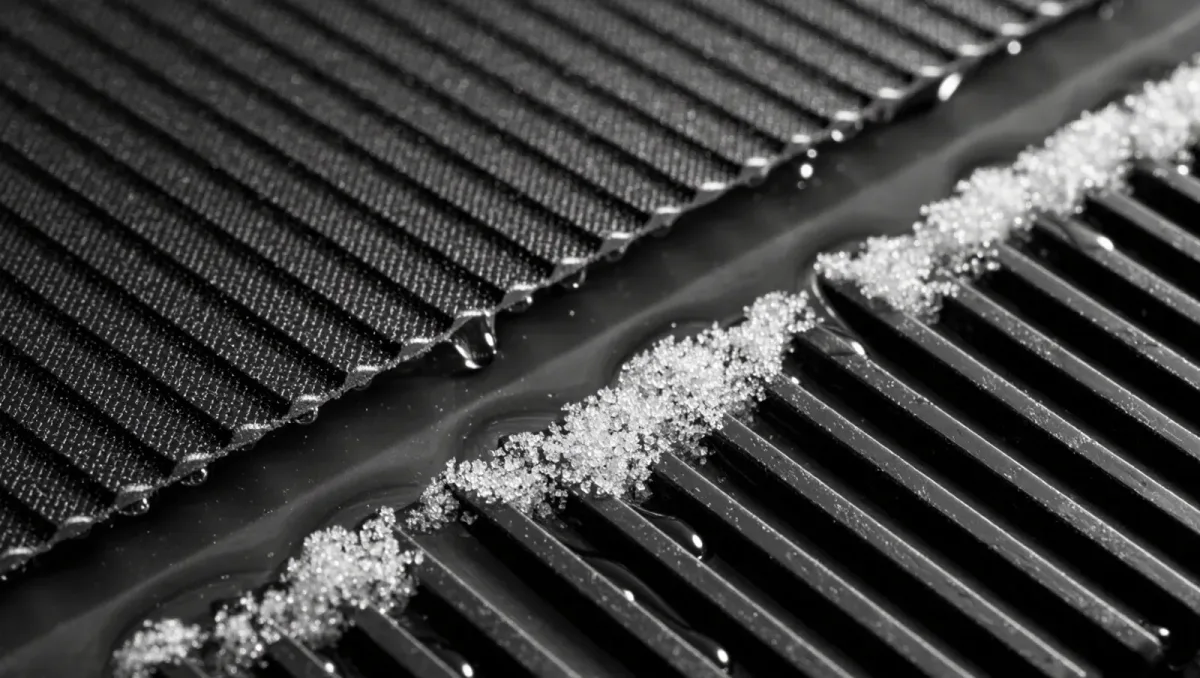
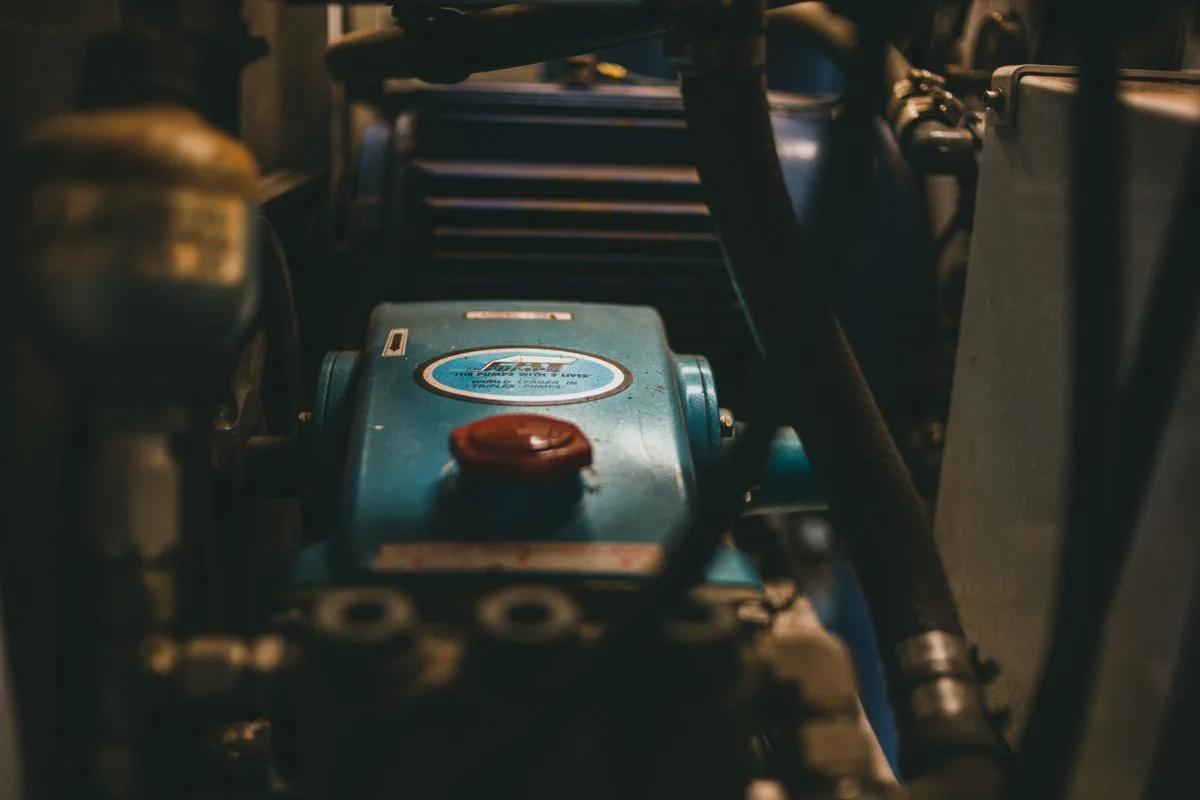
A watermaker is a device used to obtain potable water by reverse osmosis of seawater. In boating and yachting circles, desalinators are often called watermakers. The principle sounds simple. A high-pressure pump forces seawater through a membrane. The membrane lets water pass, but not salt. In reality it is a demanding process. The holes in the membrane are smaller than the molecules of sodium chloride. They are smaller even than bacteria. Pressures of about 45 to 50 bar are required. That is far more complex than the common water filter in a kitchen. For related coverage, see Life aboard a sailboat: the watermaker, the laundry and the weather wait.
Power, money and upkeep
Watermakers can be expensive to acquire and maintain. The indicative costs say a lot. A manual type is about US$2,000. A towed water-powered unit is about US$3,000. An engine-driven type is US$4,000 or more. Versions driven by an AC generator cost about the same. Most electric models are power hungry, which matters on a boat that makes its own electricity. Some designs add energy recovery systems. These cut the current draw from perhaps 20 amps to about 8 amps on a 12-volt system. But they typically cost some 50% more, because of their extra complexity. Popular yacht watermakers make from 2 to 150 litres per hour of operation, depending on the model. And like any piece of equipment, a watermaker is bound to fail at some time.
Why crews still fit them
The case for a watermaker is simple. It uses only a small amount of fuel to generate a large amount of water. That removes the need for large, heavy tanks on a long passage. The crew also becomes independent of shore-based water supplies. That matters most in remote areas. And the water is safe even where shore water quality is uncertain. Some portable designs can be converted to manual operation, or carried into a liferaft, in an emergency. Against that stand the costs: the price, the power, and the maintenance that some types need. We covered a connected angle in Your first night passage: what to expect as a guest.
The bigger picture
The idea is far older than the plastic membrane. Desalination is the artificial process by which salt water, generally sea water, is converted to fresh water (Desalination). Before the Industrial Revolution it was used mainly aboard oceangoing ships. Fresh water was essential for long voyages, so shipboard distillation supplemented stored supplies. Today the process works in two main ways. It uses thermal methods, as in distillation, or membrane-based methods such as reverse osmosis. Desalinating sea water takes energy. Because of that, it is generally more costly than fresh water from surface water or groundwater. Even so, capacity keeps growing. As of 2020, global desalination capacity stood at roughly 97 million cubic metres per day from over 16,800 operating plants.
Conclusion: Short showers, smart systems
Short showers are not a punishment. They are what a sensible budget looks like when a boat carries its own water. Add a watermaker and the budget loosens. The price is money, power and upkeep. Either way, the sums stay the same. Drink first, wash second, and know where your next litre is coming from.