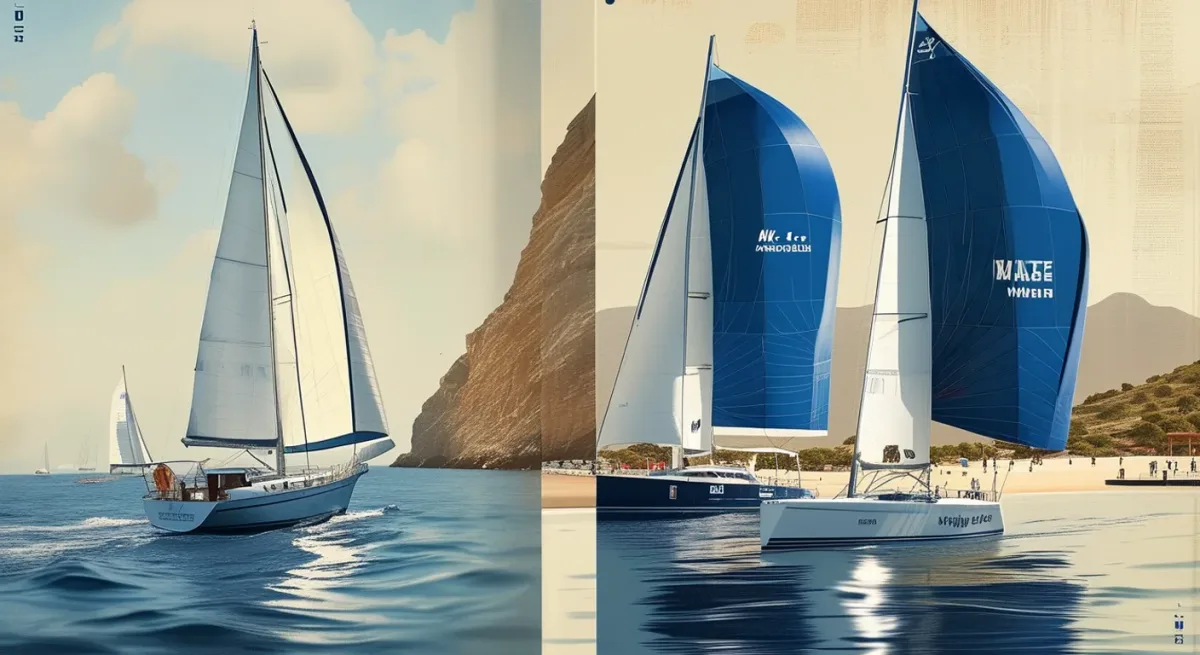
Les Voiles de Saint-Tropez is the season's closing argument that boats are beautiful. Each autumn — late September into the first days of October — several hundred sailing yachts gather in the gulf: genuine classics with teak decks and gaff rigs that predate the war their grandfathers fought in, and the modern grand-prix fleet that treats the same water as a laboratory. They race in class groups through the mornings and afternoons; in the evenings the fleet lies along the port and the town becomes a floating museum with a very good bar. No sailing knowledge is required to enjoy any of it, which is the event's quiet genius.
This is a spectator's guide from the event's long-established format; each edition's notice of race publishes the classes and schedule.
What you're actually looking at
Two vocabularies of the same sport. The classics — meter classes, Fifes, gaff cutters — sail heavy and dignified, their crews in colour-coordinated gear hauling canvas by muscle, and their appeal is mechanical sympathy: wood, wind, purchase, a century of it. The modern fleet — sleek maxis and sportboats — sails at speeds that look indecent next to the museum pieces, carbon rigs and asymmetric spinnakers. The gulf's geography does the curating: courses sit within sight of the beaches and the town, and the class starts come in waves all morning — an unhurried conveyor of eras.
The spectator's two locations
The water: the beaches and headlands flanking the gulf — Pampelonne's sand, the capes at either side — put the racing at conversation distance, with the light doing its autumn best by late afternoon. The morning starts are the spectacle; the late-day final legs are the photographs. The port: the evenings and early mornings, walking the quay where the fleet lies Med-moored bow-to-stern — deck varnish, block wood, the smell of tar and laundry — with crews working on gear and an audience that comes purely to look. The port at seven in the morning, mist on the water and coffee on the quay, is the event's real ticket.
The event as a trip
Saint-Tropez in Voiles week is busy — the town's shoulder-season peak — but the autumn version of busy is gentler than August's, and the week repays booking the same six months ahead the summer does. The charter play is the same as the racing calendar's other fixtures: a bay within tender reach for the racing days, the port or a quay for one evening, and the surrounding coast — which in late September is at its empty, warm-water best — for everything else. For the non-sailing guest it is the one regatta where the shore programme is genuinely equal to the racing: the town, the light, the fleet at rest, and a week that closes the Mediterranean season with style instead of a fade.